Water storage is an essential part of daily operations in manufacturing plants, power stations, pharmaceutical units, food processing facilities and other industrial establishments. These facilities depend on a continuous and reliable water supply for production activities, equipment cooling, cleaning, firefighting and various utility requirements. However, maintaining sufficient water storage capacity is not enough. Industrial water tanks must also remain structurally sound, clean and capable of performing efficiently over time.
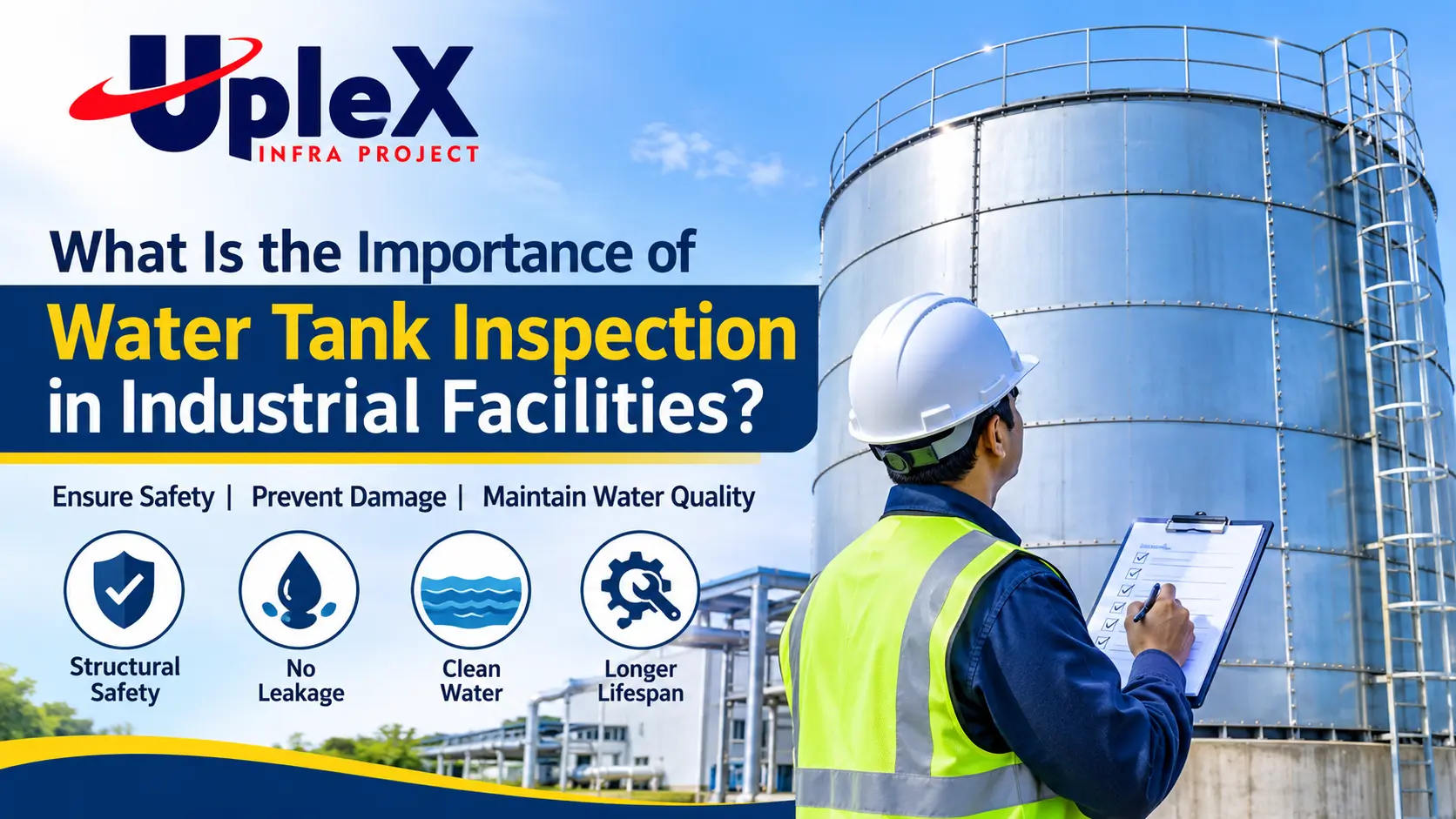
This is why water tank inspection in industrial facilities plays an important role in maintaining operational safety and preventing unexpected problems. Regular inspections help identify corrosion, leakage, structural damage, coating deterioration and other issues before they become serious. Whether a facility uses a conventional steel tank, a modular bolted tank or a zinc aluminium water storage tank, periodic assessment helps protect the investment and maintain dependable water storage.
Why Is Water Tank Inspection Important in Industrial Facilities?
Industrial water tanks are exposed to different operating conditions depending on their location, construction material and stored water characteristics. Changes in temperature, environmental exposure, water chemistry and continuous usage can gradually affect tank performance.
Without proper inspection, minor defects may remain unnoticed until they cause leakage, contamination or operational interruptions.
Here are some important reasons why industrial water tank inspections should be part of regular facility maintenance.
Also Read: Why Is an Aeration Tank Important for Wastewater Treatment?
1. Early Detection of Corrosion and Surface Damage
Corrosion is one of the common concerns associated with industrial steel water storage tanks. Moisture, environmental exposure, unsuitable water conditions and damaged protective coatings can contribute to surface deterioration.
During an inspection, technicians can examine the tank’s internal and external surfaces for rust formation, coating damage, discoloration and other visible signs of deterioration. Early identification makes it easier to plan suitable maintenance or protective measures.
For facilities using zinc aluminium water tanks, checking the condition of the protective metallic coating is also important for maintaining long-term performance.
2. Prevention of Water Leakage
Even a small leak can lead to significant water loss when it continues unnoticed. In industrial facilities, this may increase operating expenses and affect the availability of water for essential activities.
Regular inspection helps identify leakage around tank joints, flanges, connections, access points and other vulnerable areas. Bolted steel tanks should receive particular attention around their panel connections, gaskets and fasteners.
Addressing these issues at an early stage helps avoid unnecessary water wastage and reduces the possibility of larger repairs.
3. Maintaining Water Quality
Water quality is important for industries that use stored water in production processes, equipment cooling, cleaning and other applications. Deposits, sediment accumulation, damaged internal coatings and contamination can affect the condition of stored water.
Tank inspections help determine whether internal cleaning, sediment removal or coating maintenance is necessary. Facilities should also establish suitable water quality monitoring procedures according to the intended application.
For industries that require treated or demineralized water, maintaining compatible storage conditions is especially important.
4. Improving Structural Safety
Industrial water tanks hold considerable volumes of water, creating continuous loads on their walls, foundations and supporting structures. Over time, settlement, uneven loading, loose connections or structural deterioration may affect tank stability.
Inspection helps identify visible deformation, damaged panels, foundation settlement and other structural concerns. Any suspected structural issue should be assessed by qualified professionals before the tank continues operating under potentially unsafe conditions.
5. Reducing Unexpected Maintenance Expenses
Unnoticed tank damage can eventually result in expensive repairs, water loss or even temporary shutdowns. Planned inspections allow facility managers to identify maintenance requirements before they develop into major problems.
A preventive maintenance approach also helps organize repair schedules, allocate budgets and reduce unexpected operational disruptions.
Key Areas to Check During an Industrial Water Tank Inspection
A detailed inspection should cover the major structural and functional components of the storage system. The exact inspection procedure depends on tank design, construction material, operating conditions and applicable safety requirements.
Some important inspection areas include:
1. Internal and External Tank Surfaces: Check for corrosion, cracks, coating deterioration, unusual deposits and visible surface damage.
2. Tank Joints and Connections: Examine bolted connections, welded joints, gaskets, flanges and pipe connections for signs of leakage or deterioration.
3. Tank Foundation: Look for visible cracks, uneven settlement, water accumulation around the foundation and signs of structural movement.
4. Roof and Supporting Structure: Inspect roof panels, structural supports, vents, access covers and other components for damage or improper fitting.
5. Inlet and Outlet Connections: Ensure that water inlet, outlet, overflow and drain arrangements are in suitable condition and free from visible damage or obstruction.
6. Safety and Access Components: Check ladders, platforms, handrails, inspection openings and other access-related components for safe condition.
How Often Should Industrial Water Tanks Be Inspected?
The inspection frequency depends on the type of tank, its capacity, operating environment, stored water quality and manufacturer recommendations. There is no single inspection schedule suitable for every industrial facility.
However, businesses can establish a planned inspection programme based on the following approach:
- Routine visual checks: Inspect accessible external surfaces, visible connections and surrounding areas regularly.
- Periodic detailed inspections: Conduct more thorough assessments of structural components, protective coatings, joints and other critical areas at planned intervals.
- After unusual events: Arrange an inspection following extreme weather, accidental impact, abnormal leakage or any event that may affect tank integrity.
- Before recommissioning: Assess the tank after major maintenance, repairs or extended shutdowns before returning it to normal operation.
Internal inspections should be carried out by trained personnel using appropriate confined-space entry procedures wherever applicable. Workers should never enter an industrial water tank without proper isolation, atmospheric testing, safety equipment and an approved entry procedure.
Common Problems Identified During Water Tank Inspections
Regular assessments often reveal problems that can affect tank performance if left unattended.
Corrosion and Coating Deterioration
Protective coatings help reduce direct exposure of the tank material to environmental and water-related conditions. Scratches, coating failure or localized corrosion may require suitable repair or protective treatment.
Sediment and Sludge Accumulation
Over time, suspended particles and other impurities may settle at the bottom of water storage tanks. Excessive accumulation can reduce usable storage volume and affect water quality. Cleaning should be scheduled according to water quality and operational requirements.
Loose Bolts and Damaged Gaskets
In modular bolted tanks, connections play an important role in maintaining structural integrity and preventing leakage. Loose fasteners or deteriorated gaskets should be assessed and corrected according to the manufacturer’s specifications.
Foundation Settlement
Uneven foundation movement can place additional stress on tank panels and connections. Visible signs of settlement should be investigated by qualified structural professionals.
Blocked Ventilation and Overflow Arrangements
Blocked vents or overflow pipes can affect normal tank operation. These components should be checked to ensure that they remain functional and appropriately maintained.
Role of Tank Design and Material in Inspection Requirements
The construction material and design of an industrial water tank influence its maintenance needs. Therefore, inspection procedures should consider the specific characteristics of the installed storage system.
For example, zinc aluminium water tanks are manufactured using steel panels with a zinc aluminium protective coating. Their surface condition, panel connections and protective properties should be evaluated periodically.
Glass Fused Steel (GFS) tanks feature a glass coating fused to steel, offering a protective surface for various industrial and water storage applications. Inspections should focus on coating integrity, panel connections, seals and structural components.
Similarly, conventional bolted steel tanks require attention to fasteners, gaskets, panel alignment and foundation conditions.
Choosing an appropriate tank design and construction material from the beginning can simplify maintenance planning and support dependable long-term operation.
Best Practices for Effective Industrial Water Tank Maintenance
Water tank inspection becomes more effective when supported by a well-organized maintenance programme. Industrial facility managers can follow these practices:
- Maintain an inspection checklist covering all major tank components.
- Keep records of previous inspections, repairs and maintenance activities.
- Monitor water quality according to the intended industrial application.
- Address corrosion, leakage and coating damage without unnecessary delays.
- Follow manufacturer guidelines for cleaning, repair and maintenance.
- Arrange professional structural assessments whenever significant damage or deformation is suspected.
- Ensure that inspection and maintenance activities follow appropriate workplace safety procedures.
A documented maintenance programme helps businesses understand the condition of their storage infrastructure and plan necessary improvements more effectively.
How Uplex Infra Supports Industrial Water Storage Requirements
Selecting a suitable water storage solution is an important decision for any industrial project. Uplex Infra Project Pvt. Ltd. focuses on industrial storage solutions designed to meet different water storage and infrastructure requirements.
Its product range includes zinc aluminium water tanks, Zincalume water storage tanks, bolted steel tanks and other industrial storage solutions. These systems are suitable for applications where dependable storage capacity, modular construction and appropriate material selection are important considerations.
When planning a new water storage installation, businesses should evaluate factors such as storage capacity, site conditions, water characteristics, structural requirements and long-term maintenance needs. Selecting the right tank configuration can help establish a reliable storage system that supports the facility’s operational requirements.
Conclusion
Water tank inspection is an essential part of maintaining safe, efficient and reliable industrial infrastructure. Regular assessments help identify corrosion, leakage, structural damage, sediment accumulation and other issues before they create major operational problems.
By following a planned inspection schedule, maintaining proper documentation and addressing maintenance requirements promptly, industrial facilities can improve tank reliability and reduce unexpected repair costs. Equally important is selecting suitable tank materials and designs that match the intended storage application.
For businesses investing in industrial water storage, combining the right tank solution with regular inspection and preventive maintenance is a practical way to support long-term performance.