
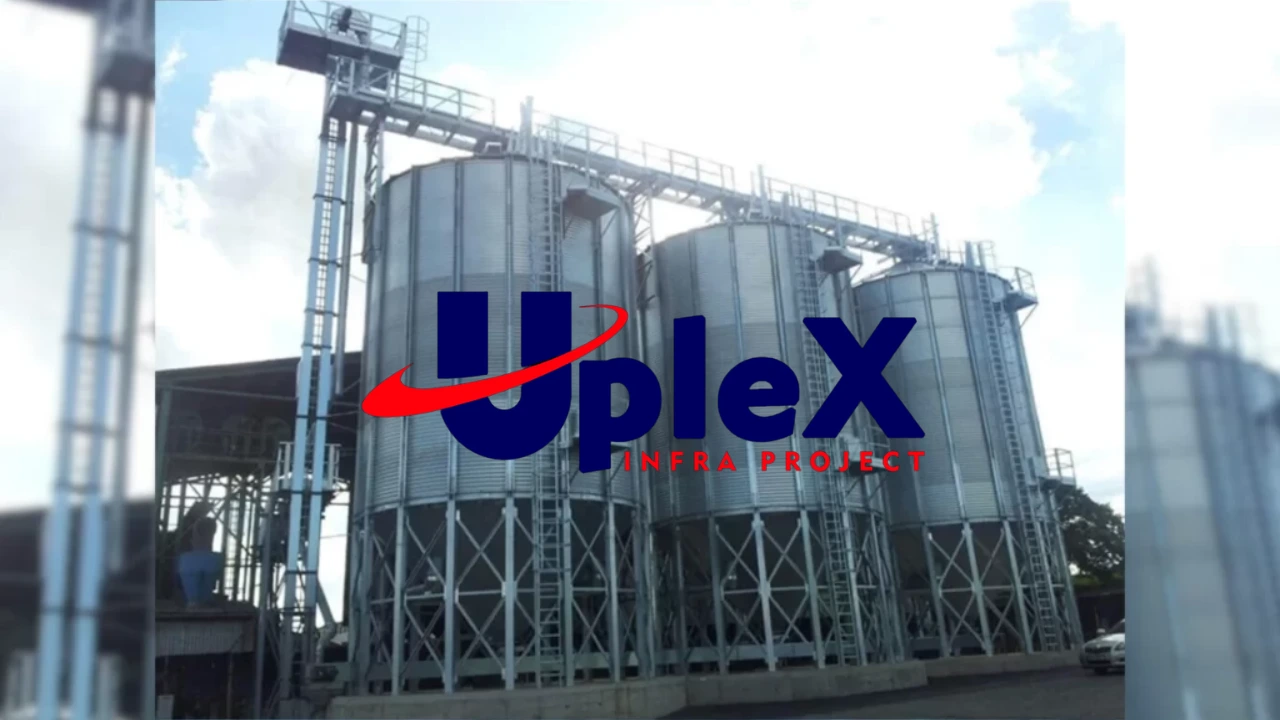
In many industries such as agriculture, construction, cement plants, food processing, and chemical manufacturing, bulk materials need to be stored and handled properly. Two common storage systems used for this purpose are silos and hoppers. Although many people use these terms interchangeably, they actually serve different purposes in industrial operations.
Understanding the Difference Between Silo and Hopper is important for businesses that deal with bulk materials like grains, cement, sand, powder, or chemicals. Uplex Infra Project Pvt. Ltd. help industries choose the right storage solutions based on their process needs. In this blog, we will explain the difference between silo and hopper so that you can easily understand how both systems work.
What is a Silo?
A silo is a large storage structure used to store bulk materials for a long period of time. Silos are commonly used in industries such as agriculture, cement manufacturing, mining, and food processing. They are usually tall, cylindrical structures made from steel, concrete, or other strong materials.
The main purpose of a silo is to store large quantities of materials safely and protect them from moisture, contamination, and environmental damage. Materials stored in silos may include grains, cement, coal, fly ash, or chemicals.
Silos can hold materials for days, weeks, or even months depending on the requirement. The design of hopper bottom silos allows materials to flow easily during discharge, which improves operational efficiency.
Common Types of Silos
Different industries use different types of silos depending on the material being stored. Some common types include:
- Cement silos
- Grain silos
- Steel silos
- Concrete silos
- Fly ash silos
- Hopper bottom silos
These silos are designed to store large volumes of material and ensure smooth discharge when needed.
Also Read : 1000 Ton Grain Silo For Sale
What is a Hopper?
A hopper is a funnel-shaped container used to temporarily store and discharge bulk materials. Unlike a silo, a hopper is not designed for long-term storage. Instead, it helps in controlling the flow of materials from one stage of a process to another.
Hoppers are commonly used in industries such as manufacturing plants, packaging units, food processing factories, and cement plants. They are usually placed above machines so that materials can move easily through gravity.
A hopper silo system is sometimes used where a hopper section is attached to the bottom of a silo to control material discharge.
Common Uses of Hoppers
Hoppers are used for several industrial processes, including:
- Feeding raw materials into machines
- Controlling the flow of powders or grains
- Temporary storage during production
- Discharging materials to conveyors or processing equipment
Because of their design, hoppers help reduce blockages and ensure smooth material handling.
Key Differences Between Silo and Hopper
| Feature | Silo | Hopper |
|---|---|---|
| Purpose | Long-term bulk storage | Short-term holding and controlled discharge |
| Shape | Cylindrical, vertical | Funnel/cone-shaped (inverted pyramid) |
| Capacity | Very large (tons) | Small to medium |
| Placement | Ground level or on structure | Under silos or feeders |
| Discharge Control | Via gates or auxiliary feeders | Gravity-fed, precise flow control |
Main Difference Between Silo and Hopper
The Difference Between Silo and Hopper mainly depends on their purpose, size, and storage capacity. While both are used for handling bulk materials, they serve different roles in an industrial system.
- Storage Capacity- A silo is designed to store large quantities of materials for a long time. Industries often use silos to store raw materials before they are used in production. A hopper, on the other hand, holds smaller amounts of material and is mainly used for short-term storage during processing.
- Structure and Size- Silos are generally tall and cylindrical structures that can store tons of material. They are built to handle heavy loads and are often installed outdoors. Hoppers are usually smaller and have a cone or funnel-shaped design. Their main purpose is to direct material flow rather than store large quantities.
- Function in Industrial Processes- Silos act as primary storage systems. Materials are stored in silos until they are needed in production. Hoppers work as feeding or discharge systems. They help transfer materials from storage units to machines or conveyors.
- Material Flow- In many industrial systems, materials move from a silo hopper arrangement where the silo stores the material and the hopper at the bottom helps control the discharge. This combination improves efficiency and prevents material blockages.
- Storage Duration- Silos are used for long-term storage, sometimes holding materials for weeks or months. Hoppers are used for short-term storage and quick material transfer.
Understanding Hopper Bottom Silos
Many industries today prefer hopper bottom silos because they provide better material flow and easy discharge. In these silos, the bottom part is shaped like a hopper, which allows materials to flow smoothly through gravity. This design is especially useful for materials that may otherwise stick or form lumps during storage.
Benefits of Hopper Bottom Silos
- Easy and smooth material discharge
- Reduced risk of material blockage
- Better material handling efficiency
- Lower manual handling requirements
- Suitable for powders and granular materials
Because of these advantages, hopper bottom silos are widely used in cement plants, grain storage facilities, and industrial manufacturing units.
Applications of Silo and Hopper Systems
Both silo and hopper systems play an important role in different industries.
- Agriculture Industry- In agriculture, silos are used for storing grains such as wheat, rice, and corn. Hoppers help transfer these grains into processing or packaging machines.
- Cement and Construction Industry- Cement plants often use hopper silo systems to store and discharge cement, fly ash, and other materials. Silos store the bulk material, while hoppers regulate the flow to mixers or conveyors.
- Food Processing Industry- Food industries use silos to store ingredients like sugar, flour, or grains. Hoppers help feed these materials into production machines.
- Chemical Industry- In chemical plants, silos store raw materials while hoppers help in controlled material feeding for production processes.
Advantages of Using Silos
Silos provide several benefits for industrial storage systems:
- Large storage capacity
- Protection from moisture and contamination
- Efficient bulk material handling
- Reduced material wastage
- Improved inventory management
Because of these advantages, silos are widely used for storing bulk materials in many industries.
Advantages of Using Hoppers
Hoppers also offer several benefits in industrial operations:
- Controlled material flow
- Easy feeding into machines
- Reduced manual handling
- Faster production processes
- Improved system efficiency
When combined with silos, hoppers help create an efficient material handling system.
Choosing the Right Storage System
Selecting between a silo and a hopper depends on the specific requirements of your industrial process. If you need to store large quantities of materials for a longer time, a silo is the better option. However, if you need controlled feeding or temporary storage during production, a hopper is more suitable.
In many cases, industries use a hopper silo system where both structures work together. The silo stores the material, and the hopper helps control its discharge.
Conclusion
Understanding the Difference Between Silo and Hopper is important for industries that handle bulk materials. While silos are designed for long-term storage of large quantities, hoppers are used for short-term storage and controlled material discharge.
Both systems play an important role in improving industrial efficiency and ensuring smooth material handling. Modern hopper bottom silos combine the benefits of both systems by allowing large storage capacity along with easy discharge.
Uplex Infra Project Pvt. Ltd. specialize in providing reliable and efficient bulk storage solutions for different industries. With the right silo and hopper system, businesses can improve productivity, reduce material waste, and ensure smooth operations.