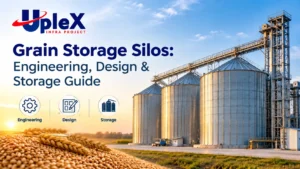

When it comes to protecting harvested crops, choosing the right storage system is just as important as growing quality produce. Farmers, food processing industries, grain traders, and government agencies all need reliable storage solutions that can preserve grains for long periods without compromising quality. This is where a grain silo plays a vital role.
Many people search online for “What is a silo?” or “What is a grain silo?” because they want to understand how modern grain storage works. While a silo is often confused with an ordinary warehouse, it is actually a specially engineered storage structure designed to protect grains from moisture, insects, rodents, fungal growth, and changing weather conditions.
Modern grain storage silos not only keep grains safe but also improve inventory management, reduce post-harvest losses, and support bulk storage for commercial operations. In this guide, we’ll explain everything you need to know about grain silos, including their types, working process, benefits, and applications.
What is a Grain Silo?
A grain silo is a specially designed storage structure used for storing bulk agricultural commodities such as wheat, rice, maize, corn, barley, soybean, pulses, and animal feed. Unlike traditional storage methods, grain silos provide a controlled environment that protects grains from moisture, insects, rodents, and contamination.
Modern grain silos are manufactured using galvanized steel or other corrosion-resistant materials to ensure long-term durability. They are equipped with advanced systems such as aeration, ventilation, temperature monitoring, grain unloading mechanisms, and moisture control, helping preserve grain quality for months or even years.
Today, grain silos are widely used by farmers, grain processing industries, flour mills, food manufacturers, export companies, and government storage facilities.
What is a Silo?
A silo is a large storage structure used to safely store bulk materials. Depending on the industry, silos can be used for storing grains, cement, coal, chemicals, animal feed, biomass pellets, fertilizers, and other bulk products.
However, in the agricultural sector, the term grain silo specifically refers to a storage system developed to preserve harvested crops while maintaining their nutritional value and market quality.
Compared to open storage or warehouses, silos provide better protection against environmental conditions and significantly reduce storage losses.
Why Are Grain Silos Important?
Every year, a significant quantity of harvested grain is lost due to poor storage practices. Moisture, pests, mould, rodents, and improper handling can reduce grain quality and cause financial losses.
A modern grain storage silo helps solve these challenges by:
- Protecting grains from moisture and rainfall.
- Preventing insect and rodent infestation.
- Maintaining consistent storage conditions.
- Reducing post-harvest losses.
- Increasing storage efficiency.
- Supporting large-scale grain handling operations.
- Improving food safety standards.
For commercial grain businesses, investing in a professionally designed silo is one of the most cost-effective decisions.
How Does a Grain Silo Work?
A grain silo works through a combination of engineered storage design and environmental control systems.
Step 1: Grain Loading
Freshly harvested grain is transferred into the silo using bucket elevators, conveyors, or pneumatic conveying systems.
Step 2: Cleaning
Before storage, grains are cleaned to remove dust, broken kernels, stones, and impurities. This improves storage quality and reduces contamination.
Step 3: Aeration
The aeration system circulates fresh air through the stored grain. Proper airflow helps maintain uniform temperature and prevents moisture accumulation.
Step 4: Monitoring
Modern silos include sensors that continuously monitor grain temperature and moisture levels. If abnormal conditions are detected, corrective action can be taken immediately.
Step 5: Safe Storage
The sealed structure protects stored grain from insects, rodents, rainwater, sunlight, and environmental contamination.
Step 6: Grain Discharge
When required, grains are unloaded using gravity flow, screw conveyors, or mechanical discharge systems for transportation or processing.
This complete process helps maintain grain quality throughout the storage period.
Types of Grain Silos
Different storage requirements require different silo designs. The most commonly used grain silos include:
Flat Bottom Grain Silo
Flat bottom silos are designed for large-capacity storage and are commonly used in commercial grain terminals, government warehouses, flour mills, and food processing plants.
They offer:
- High storage capacity
- Efficient aeration systems
- Long-term grain preservation
- Easy integration with automated grain handling systems
Hopper Bottom Grain Silo
Hopper bottom silos feature a conical bottom that allows grain to discharge automatically through gravity.
These silos are ideal for:
- Frequent grain unloading
- Seed storage
- Food processing plants
- Feed mills
- Smaller commercial storage facilities
Their design minimizes manual handling and ensures faster unloading.
Main Components of a Modern Grain Silo
A high-quality grain storage silo includes several essential components that work together for efficient storage:
- Galvanized steel panels
- Roof ventilation system
- Aeration ducts
- Temperature monitoring sensors
- Grain level indicators
- Ladder and access platform
- Safety guard rails
- Grain unloading system
- Bucket elevator connection
- Conveyor feeding system
Each component contributes to maintaining grain quality while improving operational efficiency.
Applications of Grain Storage Silos
Grain silos are widely used across multiple industries, including:
- Agricultural farms
- Flour mills
- Rice mills
- Seed processing plants
- Food processing industries
- Animal feed manufacturing units
- Grain export companies
- Government procurement agencies
- Warehouses and logistics centres
- Commercial grain storage facilities
Their versatility makes them one of the most important investments in modern agriculture.
Benefits of Grain Storage Silos
Modern grain storage silos are designed to improve storage efficiency while protecting agricultural produce from environmental damage. Compared to conventional warehouses or open storage methods, grain silos offer several long-term advantages.
1. Better Grain Protection
Grain silos create a controlled storage environment that protects crops from rain, humidity, dust, insects, rodents, and fungal growth. This helps preserve grain quality and reduces spoilage.
2. Reduced Post-Harvest Losses
One of the biggest challenges in agriculture is post-harvest grain loss. Properly designed grain silos significantly reduce wastage by maintaining ideal storage conditions.
3. Longer Storage Life
Advanced aeration and ventilation systems help maintain the right temperature and moisture levels, allowing grains to remain fresh for extended periods.
4. Bulk Storage Capacity
Grain silos are available in various capacities, making them suitable for small farms as well as large commercial grain storage facilities.
5. Faster Loading and Unloading
Modern grain handling equipment such as conveyors, bucket elevators, and automated discharge systems make grain movement quick and efficient.
6. Lower Operating Costs
Although installing a silo requires an initial investment, it reduces labour costs, storage losses, maintenance expenses, and overall operational costs over time.
7. Improved Food Safety
By preventing contamination and maintaining hygienic storage conditions, grain silos help preserve the nutritional quality of food grains.
Grain Silo vs Traditional Warehouse
Many people compare grain silos with conventional warehouses before deciding on a storage solution. While both are used for storage, their performance differs significantly.
| Feature | Grain Silo | Traditional Warehouse |
|---|---|---|
| Storage Method | Vertical bulk storage | Bagged or loose storage |
| Moisture Protection | Excellent | Moderate |
| Pest Control | High | Limited |
| Storage Capacity | Very High | Medium |
| Space Requirement | Less ground area | More ground area |
| Grain Quality | Better preserved | Higher risk of deterioration |
| Automation | Easy | Limited |
| Maintenance | Low | Higher |
For long-term grain preservation and commercial operations, grain silos provide a more efficient and reliable solution than traditional warehouses.
How to Choose the Right Grain Silo
Selecting the right grain silo depends on your storage requirements and operational needs. Consider the following factors before making a decision:
Storage Capacity
Estimate your current production as well as future expansion plans. Choosing the right capacity helps avoid unnecessary investment and ensures sufficient storage.
Type of Grain
Different grains have different storage requirements. Wheat, rice, maize, barley, and pulses may require different aeration and handling systems.
Material Quality
Always choose silos manufactured using premium galvanized steel with corrosion-resistant coatings to ensure long service life.
Aeration System
A properly designed aeration system is essential for maintaining grain quality and preventing moisture build-up.
Automation
Modern grain silos can include automated loading, unloading, temperature monitoring, and moisture control systems that improve operational efficiency.
Manufacturer Experience
Partnering with an experienced Grain Storage Silos Manufacturer ensures quality engineering, reliable installation, and long-term technical support.
Why Choose Uplex Infra Project Pvt. Ltd.?
Choosing the right manufacturer is as important as selecting the right storage system. At Uplex Infra Project Pvt. Ltd., we specialize in manufacturing high-performance grain storage silos designed to meet the evolving needs of the agricultural and food processing industries.
Our grain silos are manufactured using premium galvanized steel and advanced engineering techniques to deliver exceptional durability, structural strength, and corrosion resistance. Every project is customized according to storage capacity, site conditions, and customer requirements.
From design and manufacturing to installation and after-sales support, our experienced team ensures complete customer satisfaction. Whether you need a grain silo for farming, food processing, government storage, or commercial grain handling, we provide reliable and cost-effective solutions that deliver long-term performance.
Frequently Asked Questions (FAQs)
1. What is a grain silo used for?
A grain silo is used to safely store wheat, rice, maize, corn, barley, pulses, seeds, and other agricultural products while protecting them from moisture, insects, and contamination.
2. How does a grain silo work?
A grain silo stores harvested grains in a controlled environment using aeration, ventilation, temperature monitoring, and moisture control systems to maintain grain quality.
3. What is the difference between a silo and a grain silo?
A silo is a storage structure used for different bulk materials such as cement, chemicals, and grains, whereas a grain silo is specifically designed for storing agricultural products.
4. Which material is used to manufacture grain silos?
Most modern grain silos are manufactured using high-quality galvanized steel because it offers excellent strength, corrosion resistance, and long service life.
5. How long can grains be stored in a silo?
With proper moisture control and aeration, grains can be stored safely for several months or even years while maintaining their quality.
6. What are the advantages of grain storage silos?
Grain silos reduce post-harvest losses, improve storage efficiency, protect against pests and moisture, and preserve grain quality for extended periods.
7. Are grain silos suitable for all types of grains?
Yes. Grain silos can safely store wheat, rice, maize, corn, barley, soybean, pulses, seeds, and animal feed with suitable storage conditions.
8. What is the difference between flat bottom and hopper bottom silos?
Flat bottom silos are ideal for large-capacity, long-term storage, while hopper bottom silos are designed for quick and frequent unloading operations.
9. Can grain silos be customized?
Yes. Grain silos are available in different capacities, heights, diameters, and configurations to meet specific storage requirements.
10. Why choose Uplex Infra Project Pvt. Ltd.?
Uplex Infra Project Pvt. Ltd. offers customized, durable, and corrosion-resistant grain storage silos with complete design, manufacturing, installation, and after-sales support.
Conclusion
Modern agriculture demands efficient storage systems that not only protect harvested crops but also improve profitability. A grain silo is one of the most reliable solutions for preserving grain quality, reducing post-harvest losses, and supporting large-scale storage operations.
Whether you are a farmer, grain trader, food processor, or government organization, investing in a professionally designed grain storage silo can significantly improve storage efficiency and operational performance. From advanced aeration systems to durable galvanized steel construction, today’s grain silos are built to deliver long-term reliability and maximum protection.
If you are looking for a trusted Grain Storage Silos Manufacturer, Uplex Infra Project Pvt. Ltd. offers customized grain storage solutions designed to meet the highest industry standards. Our team combines engineering expertise with premium-quality materials to provide durable, efficient, and cost-effective silos for every storage requirement.