Industries that operate on bulk materials like cement, fly ash, grains, sand, chemicals, and minerals need to have adequate storage systems for ensuring efficiency. Some of the common storage equipment used in industries includes silos and hoppers. Even though both the words are used interchangeably, they have different uses within an industrial context.
Understanding the Difference Between Silo and Hopper is important because selecting the wrong system can affect material flow, storage efficiency, and productivity. Both systems are designed to manage materials, but they differ in structure, storage capacity, and functionality.
In this guide by Uplex Infra Project Pvt. Ltd., we will explain the major differences between silos and hoppers industries to better understand which option suits their requirements.
What is a Silo?
A silo is a large storage structure designed to store bulk materials for longer periods. It is mainly used where industries need safe storage before materials are transported or used in production processes.
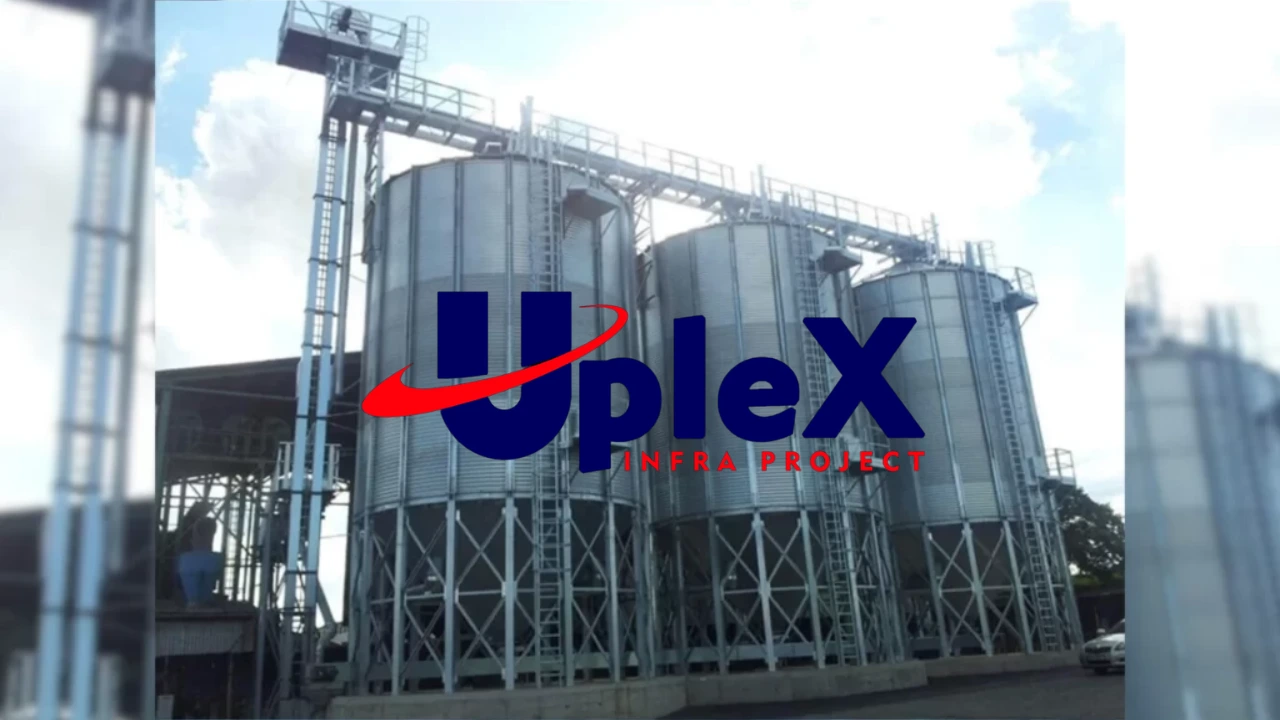
Silos are generally cylindrical in shape and can hold large quantities of materials. Industries use them for products such as cement, grains, fly ash, and powdered materials. Their enclosed design protects stored materials from environmental conditions such as moisture and contamination.
Many modern silo systems are designed with a silo hopper structure that allows materials to flow efficiently from the storage unit to the discharge point.
Also Read: 1000 Ton Grain Silo For Sale
What is a Hopper?
A hopper is a funnel-shaped container mainly used for temporarily holding and transferring materials. Unlike silos, which focus on storage, hoppers are designed to feed materials into another system such as conveyors, processing machines, or production units.
The main purpose of a hopper is to ensure a smooth and controlled material flow. Since materials move through gravity, the design becomes very important for preventing blockages and interruptions. A hopper is generally smaller than a silo and is mostly used in applications where continuous material movement is required.
Difference Between Silo and Hopper
Although both systems handle bulk materials, several factors make them different.
| Feature | Silo | Hopper |
|---|---|---|
| Purpose | Long-term material storage | Temporary material holding and feeding |
| Storage Capacity | Large | Smaller |
| Shape | Cylindrical with vertical structure | Funnel or cone-shaped |
| Material Retention Time | Long duration | Short duration |
| Function | Storage | Material discharge and transfer |
| Usage | Cement plants, agriculture, manufacturing | Conveyors, processing units, feeding systems |
The main difference is that a silo is mainly used for storage, while a hopper is designed for controlled material flow.
Understanding Hopper Bottom Design
The hopper bottom plays an important role in maintaining proper material flow. It refers to the lower cone-shaped section that guides materials toward the outlet point. This design helps prevent material accumulation and ensures smooth discharge without interruptions. Industries handling fine powders or bulk materials often rely on hopper bottom designs because they minimize material blockage issues. A well-designed hopper bottom improves operational efficiency and reduces downtime caused by material flow problems.
What is a Silo Hopper?
A silo hopper combines the features of both storage and material discharge systems. In this design, the upper section works as a storage silo, while the lower conical section acts like a hopper.
This combination helps industries store large quantities of materials while ensuring smooth unloading operations. The design is commonly used in manufacturing plants where continuous production depends on a consistent material supply.
Silo hopper systems are becoming increasingly popular because they improve efficiency and reduce manual handling requirements.
What is a Hopper Bottom Silo?
A hopper bottom silo is a type of silo designed with a cone-shaped bottom section instead of a flat base. The conical design allows materials to move naturally through gravity, making discharge operations faster and more efficient.
Industries prefer hopper bottom silo systems because they reduce material wastage and improve handling performance. Since materials flow more easily, these systems require less cleaning and maintenance compared to traditional flat-bottom storage systems. The design is especially useful for materials that tend to stick or accumulate inside storage structures.
Applications of Silos and Hoppers
Both silos and hoppers are widely used in different industries, but their applications depend on specific operational requirements.
Silos are commonly found in cement plants, food processing industries, agricultural facilities, and manufacturing units where large-scale storage is required. Hoppers are more commonly used in conveyor systems, packaging plants, and production lines where materials need to be transferred continuously. Their combined use often creates a more efficient material handling system.
How to Choose the Right Option
It will depend on the material type and processes involved for one to determine whether it should settle for a silo or a hopper bottom silo. This should take into consideration issues such as the material flow characteristics.
If storage is the primary reason for using a silo, then it would be appropriate. However, when the material needs constant moving from point to point in the processing stage, then hoppers would offer the right solution.
Why Choose Uplex Infra Project Pvt. Ltd.?
At Uplex Infra Project Pvt. Ltd., we provide advanced industrial solutions designed to support efficient storage and material handling requirements. We focus on delivering durable and reliable systems that help industries improve productivity and operational performance. Our solutions are developed with attention to quality, functionality, and long-term efficiency.
Conclusion
Understanding the Difference Between Silo and Hopper is important for industries dealing with bulk materials. While silos are primarily designed for long-term storage, hoppers are mainly used for temporary holding and controlled material flow. Features such as hopper bottom, silo hopper, and hopper bottom silo designs further improve efficiency and help industries manage materials more effectively. Selecting the right system can improve productivity, reduce operational issues, and ensure smoother material handling processes.